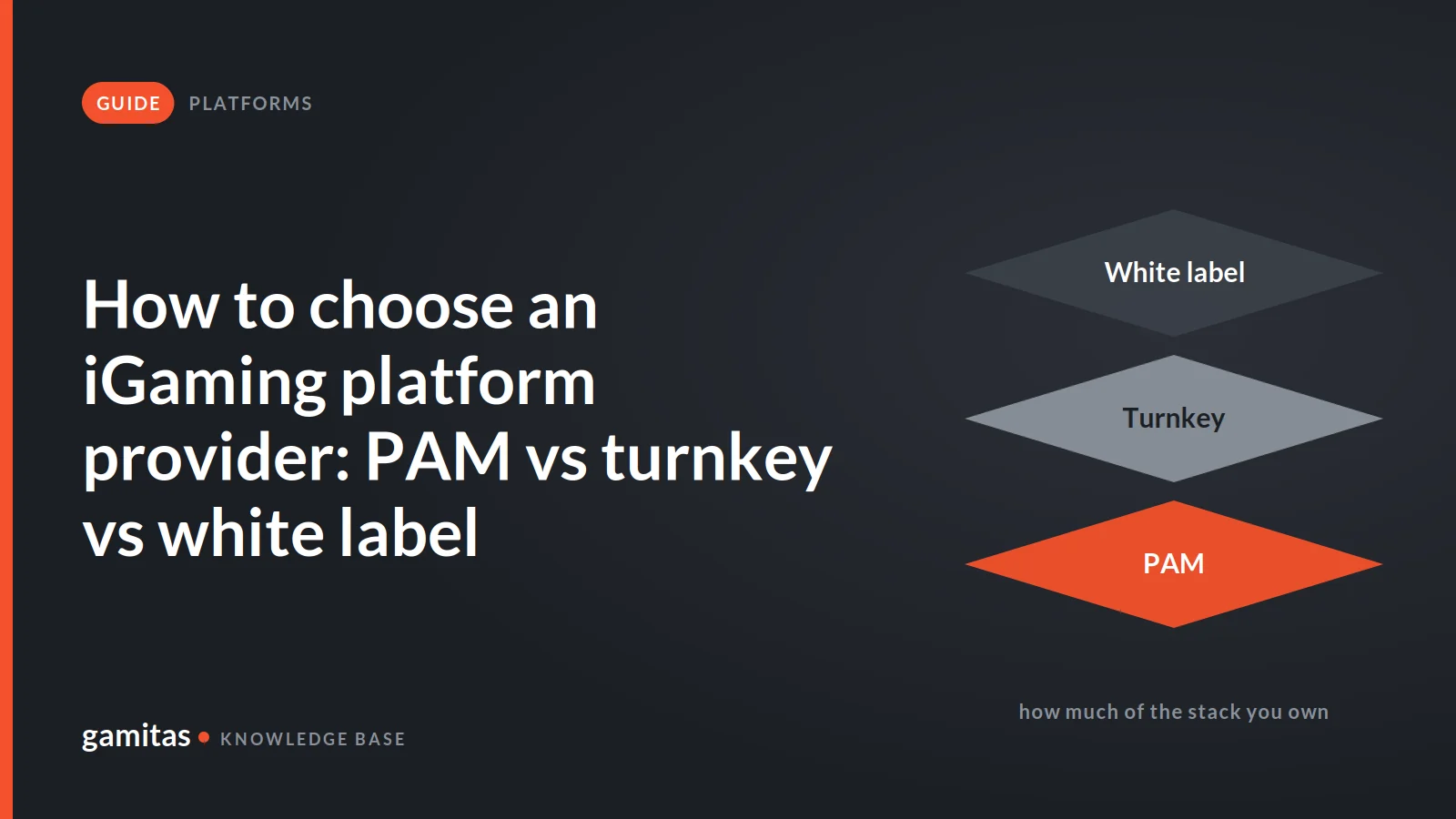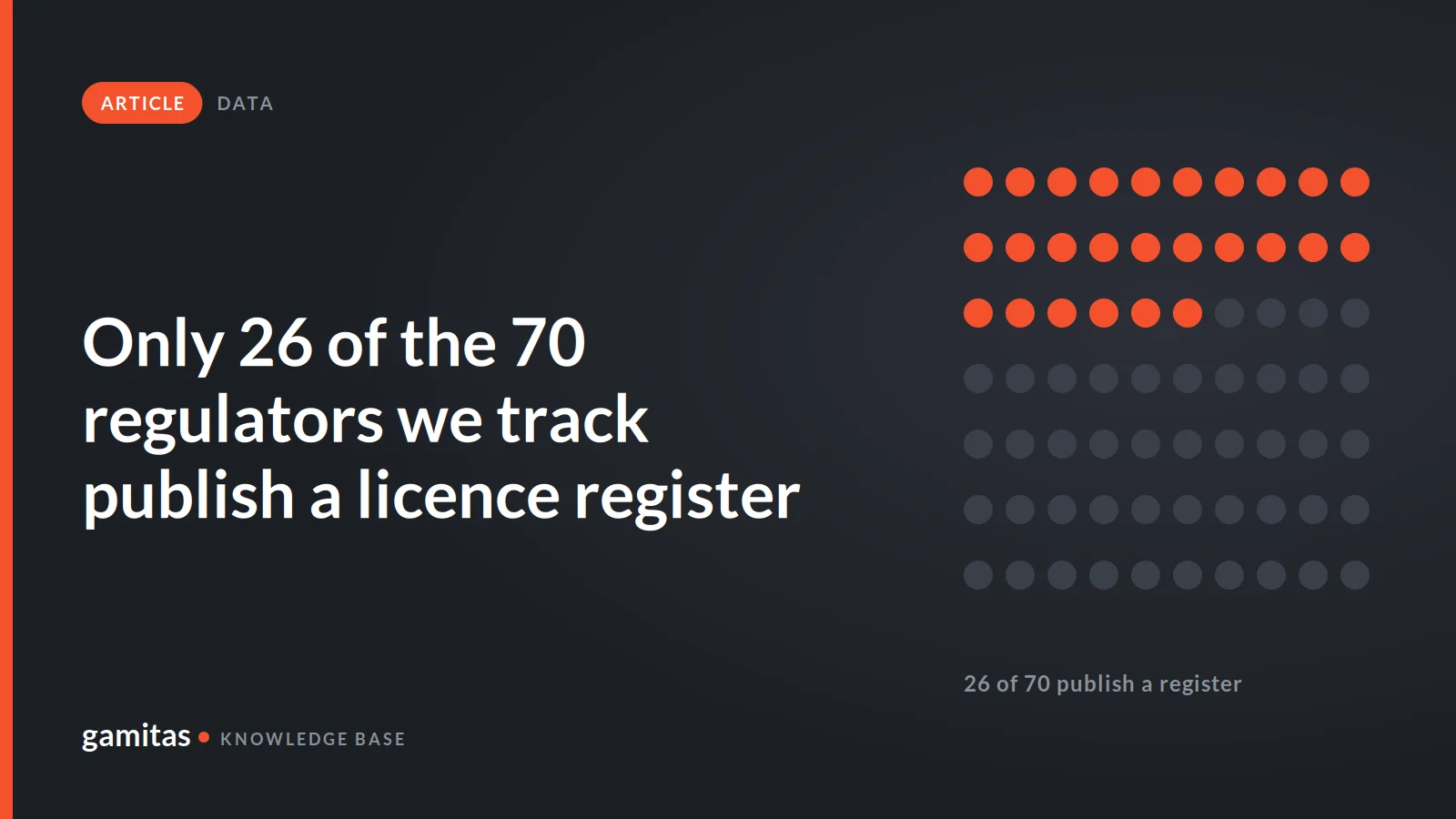
“Check the register” is the standard advice on supplier due diligence, and it assumes a register exists. Across the 70 regulators in our directory, 26 publish one. For the other 44 there is nothing to open.
- Fewer than four in ten regulators we track publish a searchable licence register.
- Where none exists, the strongest available evidence is a dated official document.
- This is why we record four verification tiers rather than a yes/no badge.
- A supplier is not hiding anything because its regulator publishes nothing.
Why so many publish nothing
Register publication is a policy choice, and regulators reach it at different times for different reasons. Mature European regimes — the UK, Malta, Sweden, Denmark, the Netherlands — treat public searchability as part of consumer protection: a player should be able to check whether a site is licensed. Regulators whose primary concern is tax collection or state revenue often have no equivalent motivation.
Newer regimes frequently intend to publish and have not built it yet. A register is a piece of software, and a regulator three months into licensing usually has more urgent work. Some publish a PDF list updated occasionally, which is better than nothing and worse than a database.
And in several jurisdictions licensing is administered at state or provincial level, so there is no single national register to build — Brazil and the United States both work this way.
What this does to verification
It makes a binary “verified” badge dishonest. If a supplier holds a licence from a regulator that publishes nothing, no amount of diligence produces a register entry. Marking that supplier unverified implies a doubt that does not exist; marking it verified implies a check that did not happen.
That is the reason our records carry four tiers rather than a tick:
| Tier | Evidence | Possible when |
|---|---|---|
| 1 — Company submitted | The company told us | Always |
| 2 — Public source | A document we can link to | Usually |
| 3 — Gamitas reviewed | We read the source and dated the check | Usually |
| 4 — Independently verified | We opened the issuing regulator's register | Only where one exists |
Tier 4 is unreachable for a supplier licensed only in jurisdictions from the group of 44. That is a statement about the regulator, not about the supplier, and it is the distinction most verification claims in this industry quietly collapse.
What to do instead, where there is no register
- Ask for the instrument. A licence certificate, a gazette notice, an official decision with a number and a date. It is checkable against the regulator if you ever need to.
- Ask when it was issued and when it expires. A document with no dates is not evidence of a current position.
- Ask for the legal entity name. Licences are issued to entities, not brands, and the mismatch is the most common reason a check fails.
- Write to the regulator. Many will confirm a licence on request even where they publish nothing. It is slow and it works.
The honest version of a verification claim
Any directory claiming to verify licences is constrained by this. The useful question to ask of one is not whether it verifies, but what it does when verification is impossible — because that is most of the world, and how a source handles it tells you how much of the rest to trust.
Our method, including the limits, is set out on how we verify data.
- Gamitas supplier and compliance data